Do you need SPF indoors?
Window glass stops UVB and lets UVA through. Whether that matters depends on your window.
Sun · 3 min read ·

The short answer is: it depends on your window. Sunlight is made of two kinds of UV that matter for your skin, and ordinary glass treats them very differently.
UVA and UVB
UVB is the burning ray. It is strongest in the middle of the day and in summer, and it is what turns your skin red.
UVA goes deeper. It doesn't burn you, so you don't feel it, but it is behind most of the dark spots, fine lines and loss of firmness that come from the sun. It is around at much the same strength from morning to evening, all year, and on cloudy days too.
SPF measures protection against UVB. "Broad spectrum" on the label means the sunscreen also passes a test for UVA. You want both.
What glass lets through
Standard window glass blocks almost all UVB. You won't burn sitting behind a closed window.
UVA is different. Plain window glass lets a large share of it through. Laminated glass, like a car windscreen, blocks most of it. Car side windows are often not laminated, which is why people who drive a lot can have more sun damage on one side of the face.
Some newer windows have a UV-filtering coating. If you don't know what yours have, assume UVA comes through.
When it matters
Distance makes a big difference. UVA falls off quickly as you move away from the glass, and a room lit only by daylight bouncing off the walls gets very little.
You should wear SPF indoors if:
- Your desk or sofa is next to a window, and you sit there for hours
- You drive for more than a short trip most days
- You are treating dark spots or melasma, which UVA makes worse
- You use a retinoid, which makes your skin more sensitive to the sun
You can skip it if you spend the day in a room with no windows, or far from them. But most people move around, and it is easier to make SPF part of the morning than to decide each day.
What about screens and indoor light
Phone and laptop screens give off visible light, not UV, and much less of it than a few minutes outdoors. For most skin it isn't worth worrying about.
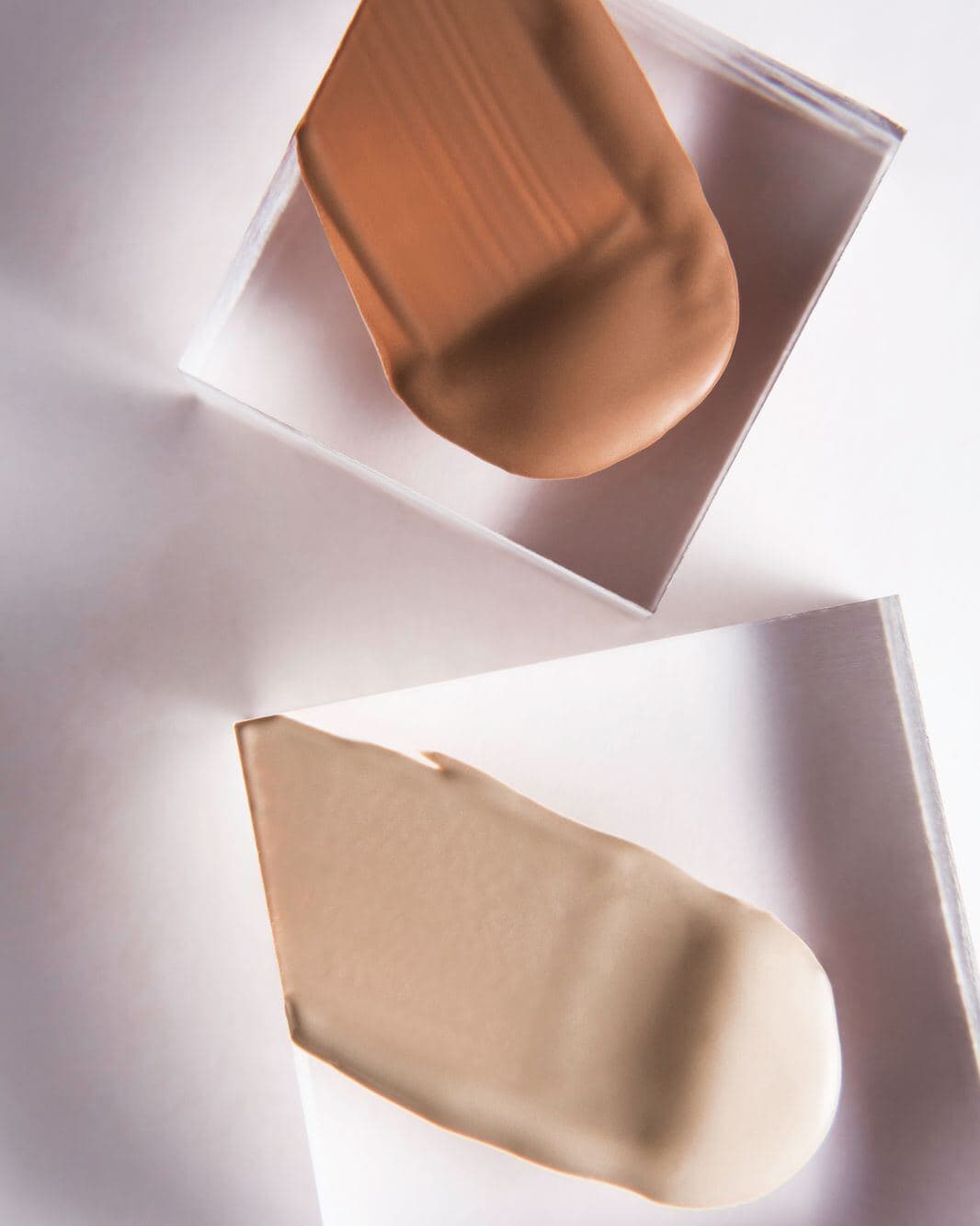
Visible light can darken existing pigment in deeper skin tones and in melasma. If that's you, a tinted sunscreen helps. The iron oxides that give Tinted SPF 30 its color also block visible light, which clear sunscreens don't.
How to wear it indoors
Put on Daily SPF 40 as the last step of your morning routine, about a quarter teaspoon for your face and neck. Indoors, that one layer is usually enough for the day. Outdoors, reapply every two hours.
Vitamin C Serum under it helps your skin deal with the daylight that gets past your SPF. And Lip Balm SPF 15 covers the one place most people forget.