Retinal or retinol: what changes
One converts in a single step, the other in two. Here is what that means for your skin.
Ingredients · 4 min read ·
Retinol and retinal are one letter apart and often used as if they were the same thing. They are close relatives, and they end up doing the same job. The difference is how many steps your skin has to take before either one does anything.
The one form your skin can use
The form of vitamin A that your skin cells respond to is retinoic acid. It tells cells to renew faster and helps your skin make more collagen. Over months, that softens fine lines, fades dark spots and makes texture smoother.
Retinoic acid itself is prescription only, as tretinoin. Everything you can buy without a prescription is a step or two before it, and your skin does the converting.
Two steps or one
Your skin converts vitamin A in a chain:
- Retinol becomes retinal.
- Retinal becomes retinoic acid.
Start with retinol and your skin has to make both conversions. Only part of the retinol gets through each one, so much less reaches the end.
Start with retinal and you skip the first step. More of what you put on becomes retinoic acid, and it gets there sooner. That is why a retinal serum can use a lower percentage than a retinol serum and still work as well. Ours is 0.05%.
What that means for your skin
It works a little faster. Most people see smoother texture at about 6 weeks and softer lines at about 12. With retinol, expect a few weeks longer.
It can be a little stronger at first. Any retinoid can cause dryness, flaking or a tight, warm feeling in the first weeks. This is your skin getting used to it, and it usually passes within a few weeks. With retinal it can show up a bit sooner.
It is still gentler than a prescription. Because your skin still makes that last step, it only converts what it can use. That keeps it far milder than tretinoin.
How to start
- Two nights a week for the first two weeks.
- Every other night for the next two weeks.
- Every night after that, if your skin is comfortable.
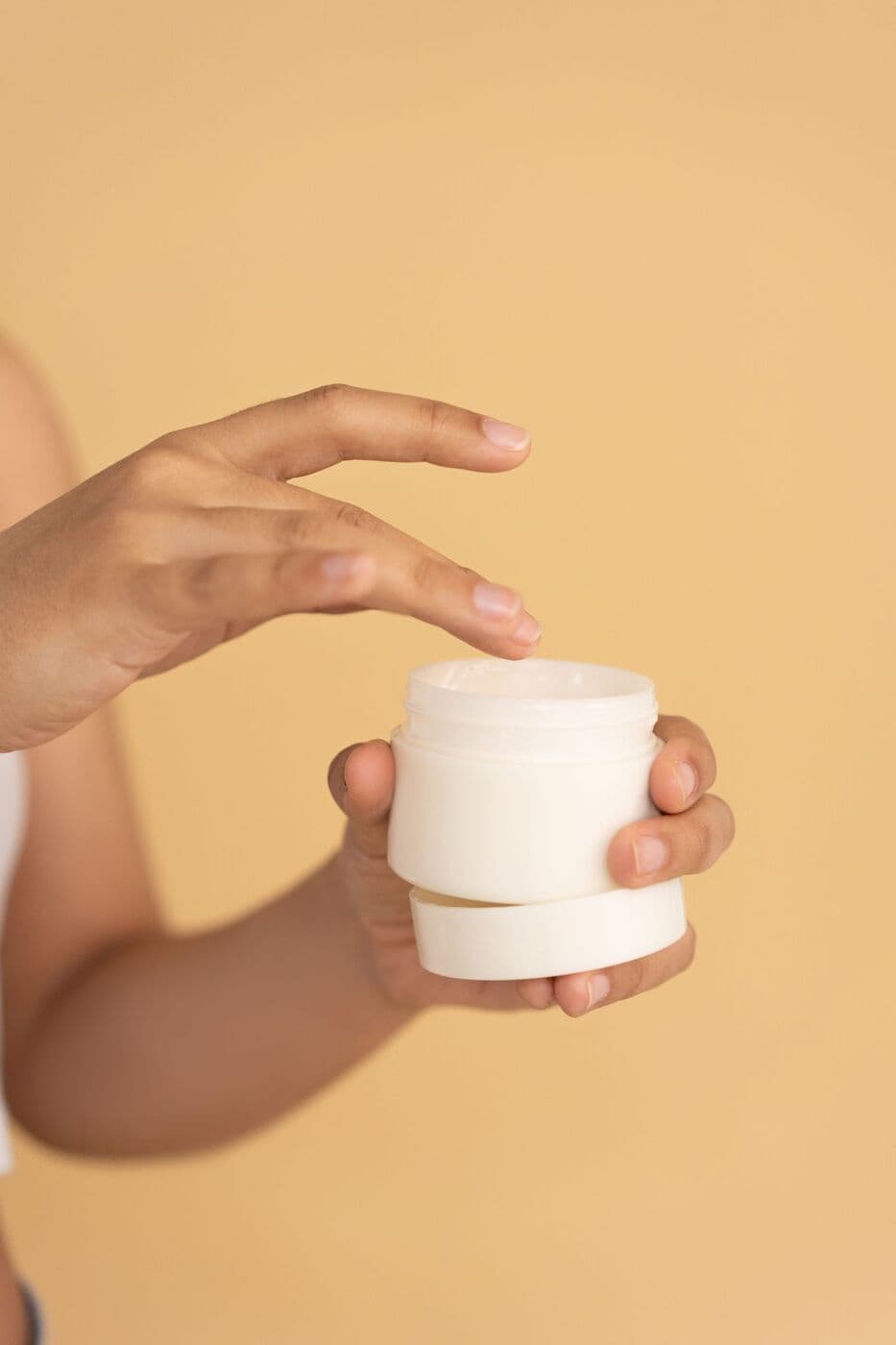
Use a pea-sized amount on dry skin after cleansing. Follow with a moisturizer. Barrier Cream is a good match, since ceramides help with the dryness. If your skin stings, go back a step and stay there longer.
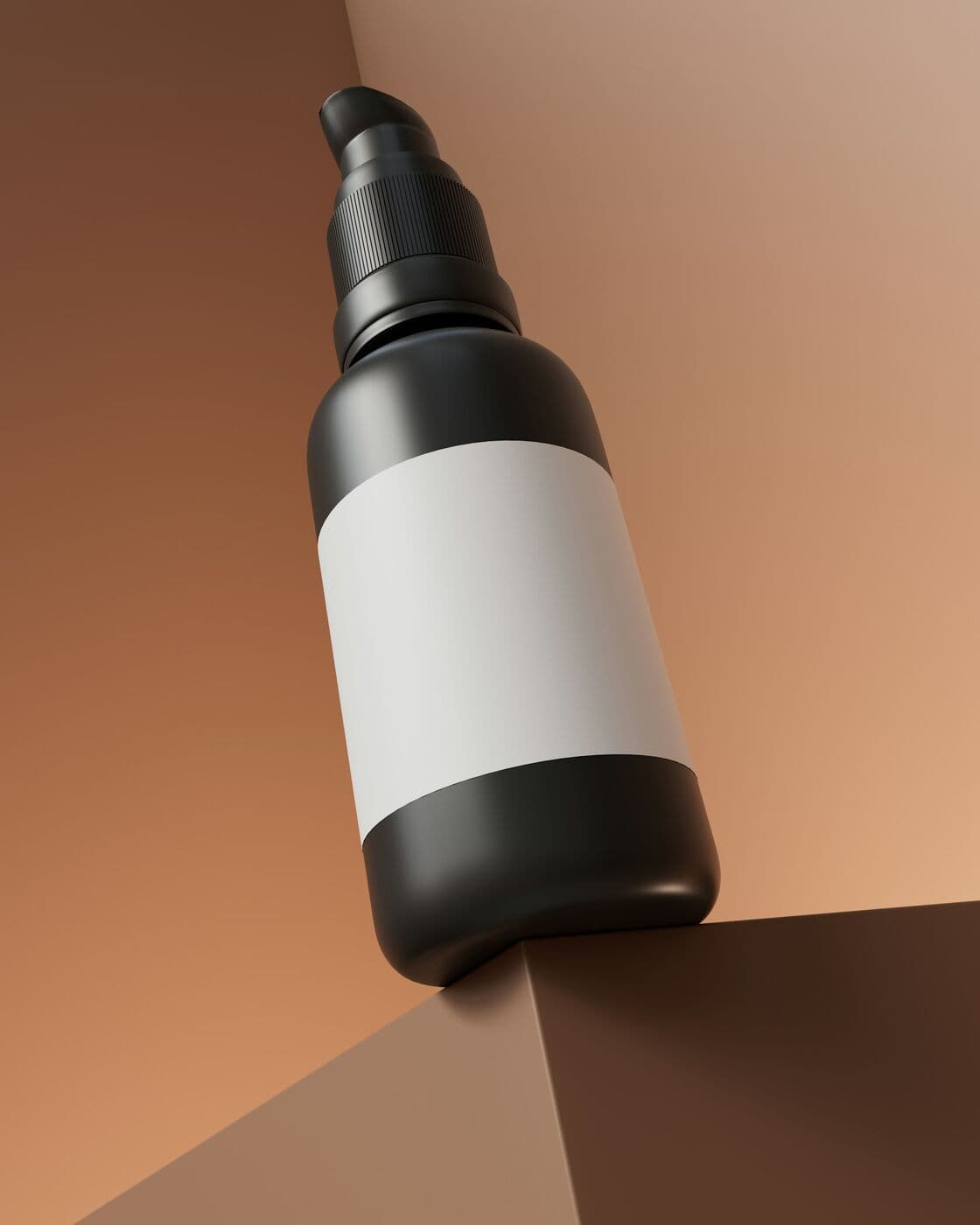
Keep Retinal Night Serum for nights only. Light breaks retinoids down, and your skin is more sensitive to the sun while you use one. Wear Daily SPF 40 every morning, even when it's cloudy.
What not to use with it
Don't exfoliate on the same night. Enzyme Polish and retinal both speed up how fast your skin renews, and together they overdo it. Keep them on separate nights.
Vitamin C is fine in the same routine, just at the other end of the day: vitamin C in the morning, retinal at night.
If you are pregnant, trying to be, or breastfeeding, skip retinoids of any kind and ask your doctor what to use instead.
Which one to choose
If you have used retinol for a while and want more from it, retinal is the next step. If you have never used either, retinal is still a fine place to start, as long as you start slowly. The Night Set puts it with Oil Cleanser and Overnight Mask, the two steps that go around it.